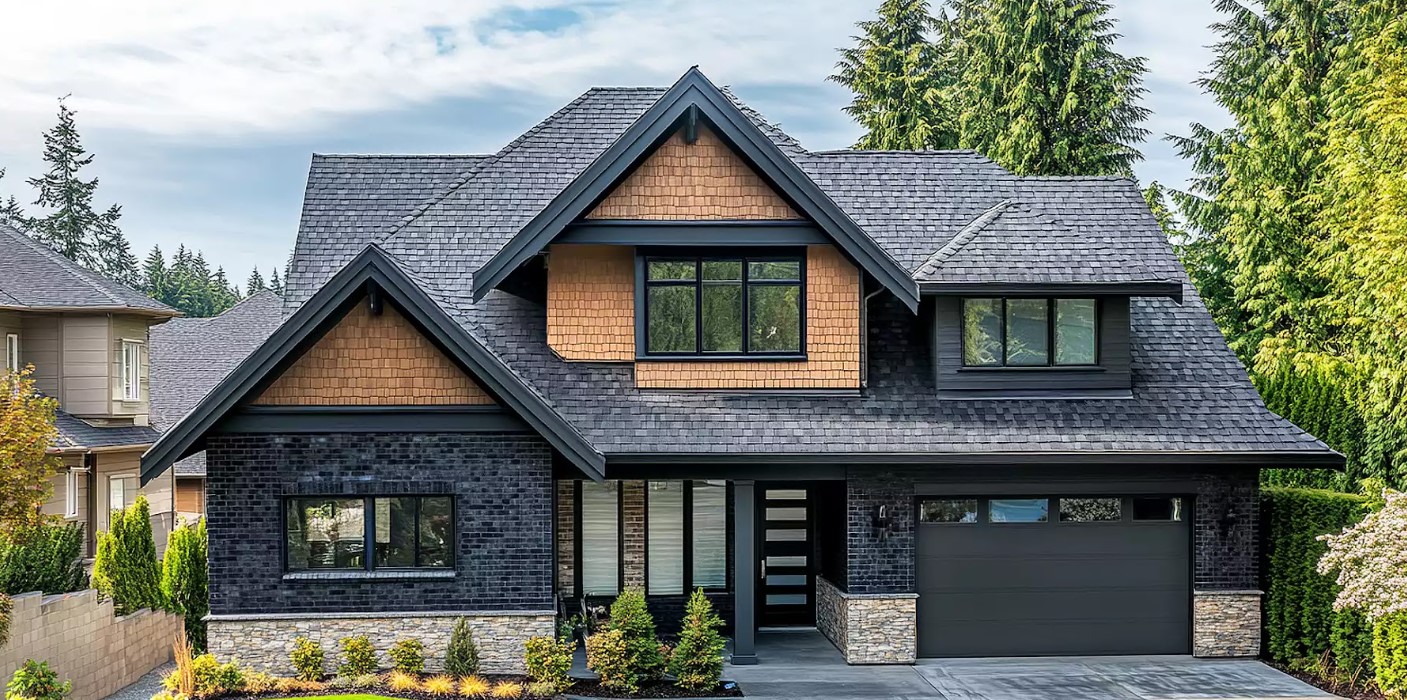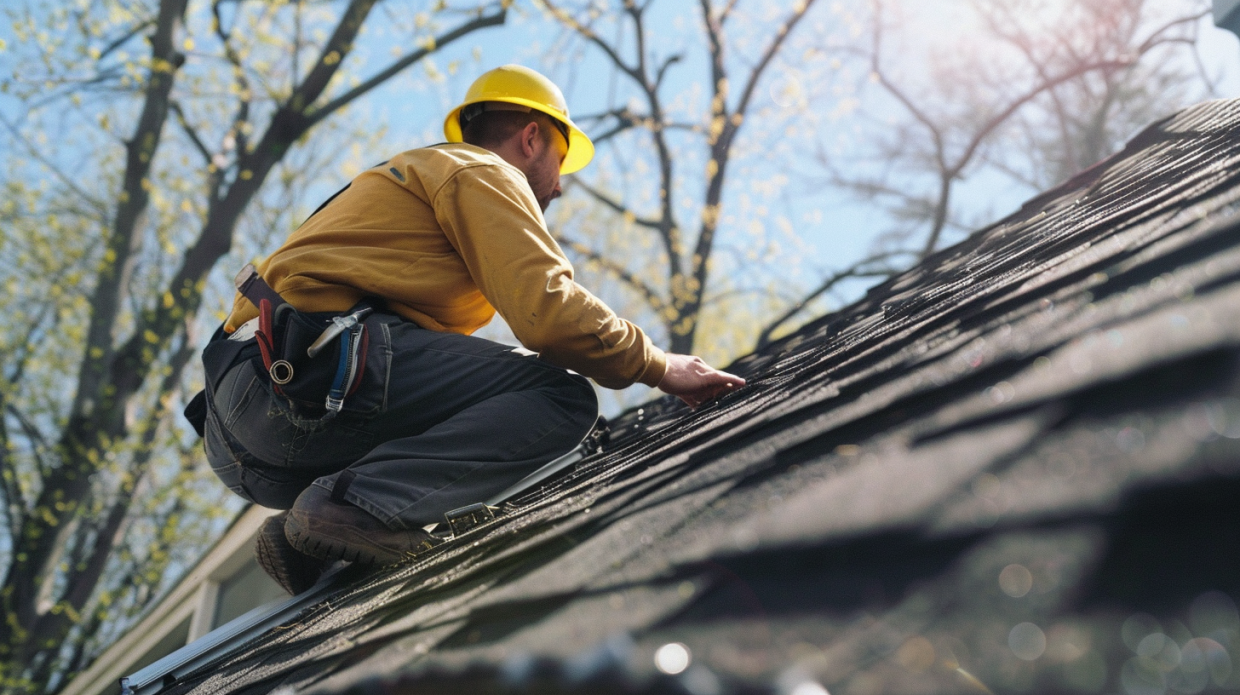
The Pacific Northwest was once famous for mild summers and endless drizzles, but times have changed. Summer heat waves in regions like Vancouver and Portland are pushing temperatures into the triple digits, creating severe thermal stress for residential roofs. While rain and moss usually take the blame for local roof damage, extreme heat and intense ultraviolet radiation act as silent culprits. During a hot summer afternoon, standard dark asphalt shingles can easily reach surface temperatures of 150 degrees Fahrenheit or higher. That intense thermal load causes materials to bake, expand, and break down far faster than most homeowners realize.
When extreme heat bakes your roof all day, it sets off a domino effect of structural wear. Shingles lose their protective asphalt granules, oils inside the materials dry out, and attic spaces turn into massive heat traps. When the sun goes down, cooling air causes the entire structure to contract rapidly. This continuous expansion and contraction cycle weakens nails, cracks seals around vents, and accelerates leaks before the rainy winter season even arrives. Knowing how summer heat impacts your home allows you to take preventive action before small hot-weather issues transform into expensive structural repairs.
Key Takeaways for Homeowners
- Extreme Thermal Shock: Rapid temperature swings between scorching days and cool nights cause materials to expand and contract, pulling fasteners loose and cracking seals.
- Attic Heat Traps: Poor attic airflow traps superheated air beneath the roof deck, baking shingles from below and dramatically spiking indoor cooling bills.
- Granule Loss & Material Decay: High heat and UV rays dry out the essential oils in asphalt shingles, leaving them brittle and defenseless against rain.
- Timely Preventive Inspections: Catching heat-related warping, flashing gaps, or ventilation blockages early prevents catastrophic leaks during winter downpours.
What Happens When Extreme Heat Hits Your Shingles?
Thermal Shock and Material Breakdown Explored
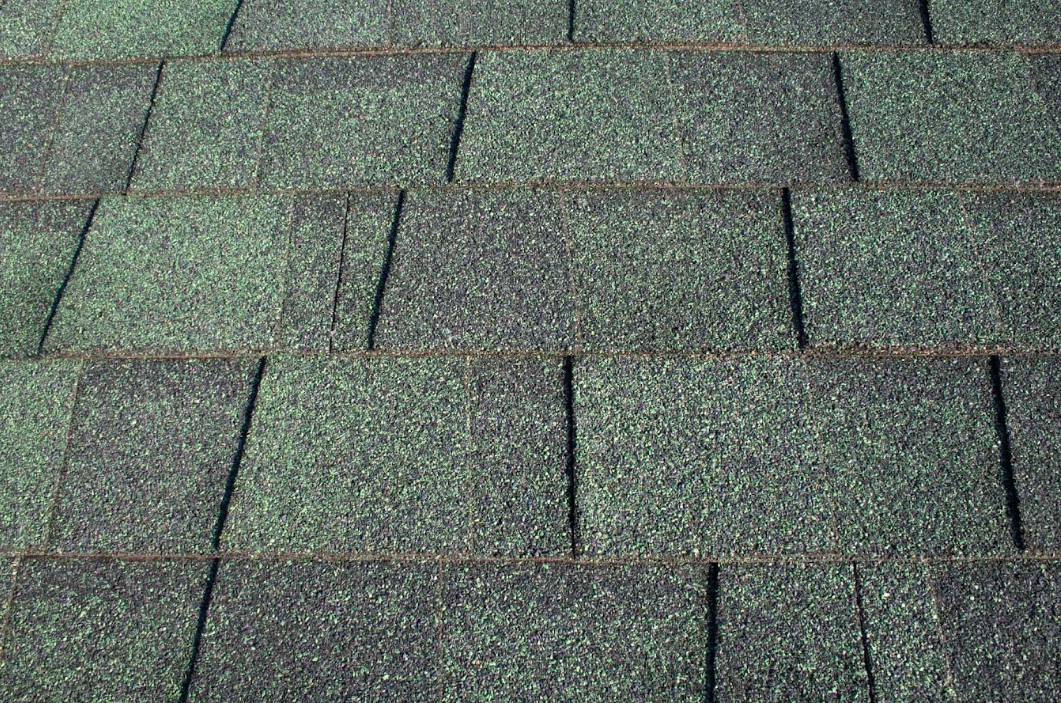
When direct sunlight beats down on a roof all day, the physical structure undergoes severe stress. Sunlight delivers UV radiation that slowly evaporates the flexible oils embedded inside asphalt shingles. As those oils disappear, the shingles lose their elasticity, becoming stiff, dry, and prone to cracking.
Once shingles dry out, they begin to shed their protective mineral granules. These small stone granules shield the underlying asphalt layer from direct sun exposure. When high temperatures break down the adhesive bond holding those granules in place, they wash away into the gutters during the next rainstorm. Without that protective surface coating, the raw asphalt sits completely exposed to the elements, leading to rapid deterioration.
Daily temperature swings make this physical breakdown even worse through a process known as thermal expansion and contraction. During peak afternoon heat, roofing materials expand as they absorb thermal energy. As night falls and temperatures drop, those same materials shrink back down. This constant stretching and shrinking exerts relentless pressure on every joint, nail, and seam across the structure.
Why Is Attic Ventilation Critical During a Summer Heatwave?
The Hidden Danger of Trapped Attic Heat
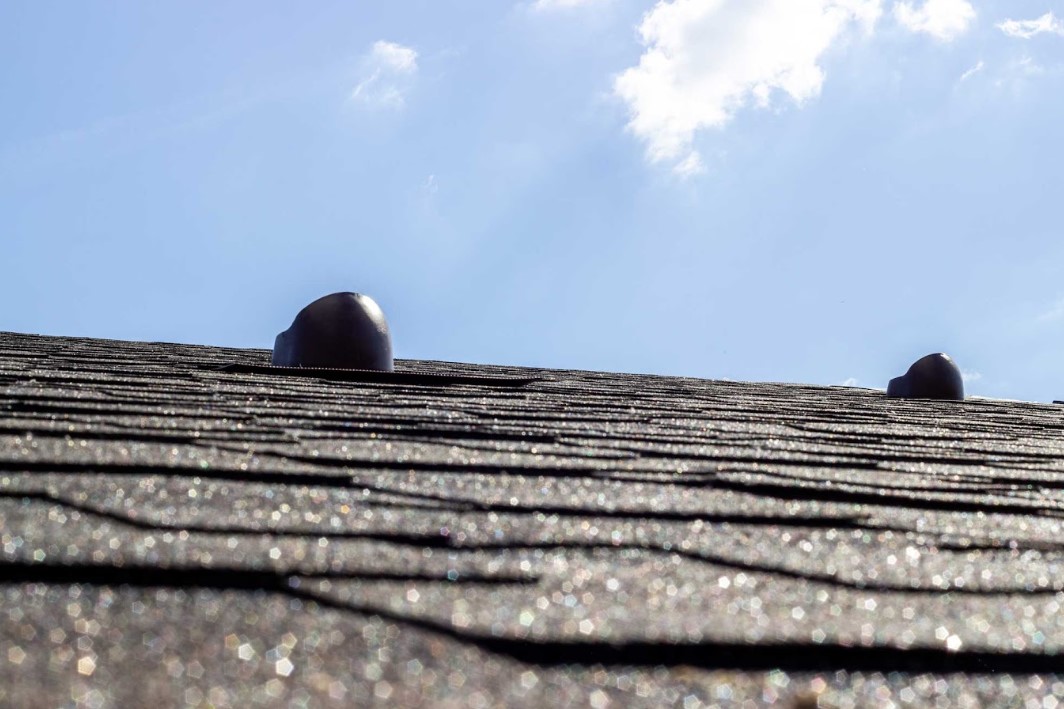
Proper airflow beneath the roof deck serves as the first line of defense against high outdoor temperatures. Without adequate ridge vents, soffit openings, or attic fans, hot air gets trapped directly under the roof decking. On a 95-degree day, an unventilated attic space can easily climb above 140 degrees. This trapped heat creates a double-sided toaster effect, baking shingles from both the top and the bottom simultaneously.
Beyond damaging the surface materials, severe attic heat spills directly into the living space below. Air conditioning units must work twice as hard to maintain comfortable indoor temperatures, driving up monthly energy bills. Over time, prolonged attic heat warps wooden roof sheathing, degrades insulation performance, and sets the stage for severe indoor moisture issues during the damp winter months.
When evaluating heat damage, homeowners should watch for several warning signs:
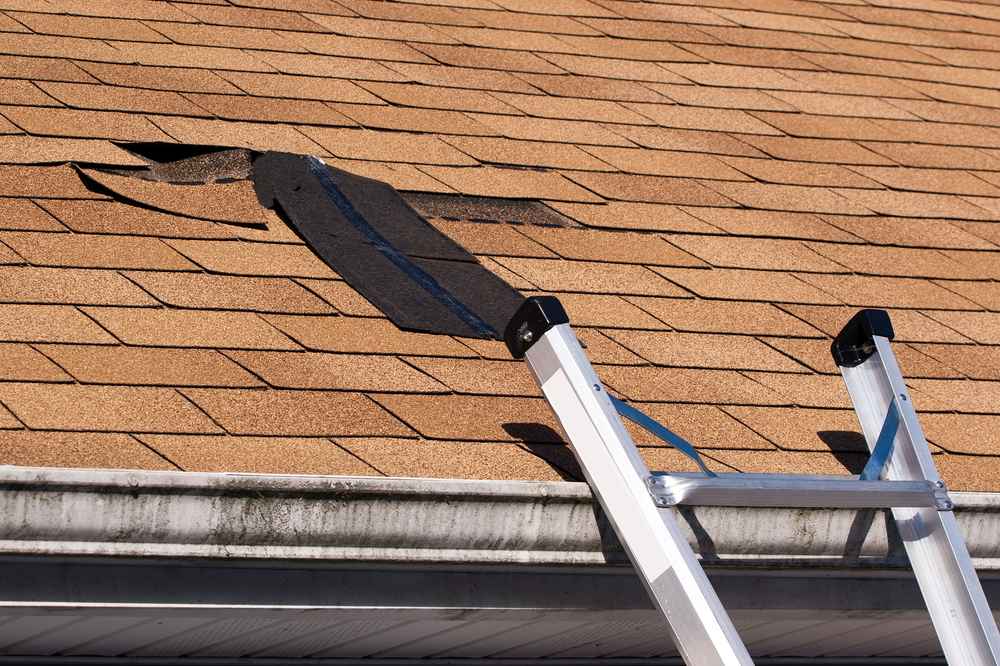
- Curling or Cupping Shingle Edges: High heat pulls moisture out of the backing, causing shingle edges to lift upward.
- Excess Granules in Gutters: Finding coarse, sand-like debris in gutter troughs indicates advanced UV breakdown.
- Gaps Around Flashing Seals: Thermal expansion pulls metal flashing away from chimneys, skylights, and plumbing vents.
- Spiking Air Conditioning Costs: A sudden increase in energy use often points directly to trapped heat inside the attic space.
- Blistering Shingle Surfaces: Trapped moisture inside the shingle boils under intense heat, creating small raised bubbles that pop and leave exposed spots.
How Can Homeowners Protect Their Roof From Heat Damage?
Actionable Maintenance and Inspection Strategies
Protecting a home from summer heat stress requires a proactive approach. Waiting until a leak shows up on the living room ceiling usually means structural wood rot or soaked insulation has already developed underneath. Scheduling professional evaluations before and after extreme weather events keeps small issues from turning into major structural failures.
Taking proactive steps helps ensure the roof remains structurally sound throughout every season. The right combination of routine maintenance, smart upgrades, and expert care preserves structural integrity for decades.
Homeowners can maintain peak performance year-round by following four essential steps:
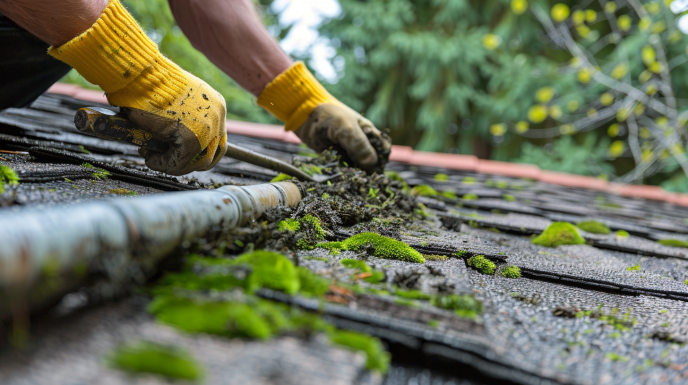
- Clear Gutter Debris: Restores proper drainage paths and prevents organic matter from holding heat against the eaves.
- Optimize Air Flow and Ventilation: Verify that soffit vents remain open and unblocked by insulation. Ensuring proper intake and exhaust ventilation allows superheated air to escape naturally, dropping attic temperatures significantly.
- Inspect Sealants and Metal Flashing: Check the flexible rubber boots around plumbing stacks and the sealant beads along flashing joints. Thermal expansion pulls metal flashing away from surfaces while heat bakes elastic compounds, making them brittle.
- Schedule Expert Evaluations: Catches hidden structural wear before winter downpours begin. Exploring comprehensive solutions like professional roof replacement services allows home management with advanced composite shingles or reflective metal options designed to handle intense heat spikes and heavy rainfall alike.