As crisp autumn air rolls through Vancouver and the Pacific Northwest, most homeowners start thinking about turning up the thermostat. We clean out the fireplace, pull heavy sweaters out of storage, and prep our homes for the chill. Yet, despite cranking the furnace, many families notice stubborn cold spots near their living room windows or watch their monthly utility statements climb higher every season. If your heating system feels like it is running non-stop without keeping you comfortable, the real culprit might be sitting right in your window frames.
Single-pane glass, cracked vinyl seals, and outdated frames act as thermal sieves inside your home. According to research from the U.S. Department of Energy, heat loss through inefficient glass accounts for 25% to 30% of total residential heating and cooling energy use. Upgrading to modern energy-efficient windows eliminates those frustrating drafts while keeping your hard-earned money from escaping into the autumn air. Understanding how modern window technology works helps you make smart, value-driven upgrades before the winter frost sets in.
Key Takeaways for Homeowners
- Substantial Heating Savings: Replacing old single-pane windows can trim your annual energy bills by 12% or more, putting hundreds of dollars back in your pocket each year.
- Elimination of Cold Drafts: Multi-pane glass treated with Low-E coatings reflects indoor radiant heat back into your living space, keeping temperatures consistent room to room.
- Enhanced Whole-Home Insulation: New window installations work hand-in-hand with sound roofing and attic insulation to seal your home’s entire exterior building envelope.
- Long-Term Asset Protection: Beyond monthly bill savings, modern windows boost curb appeal, block harmful ultraviolet rays, and protect interior finishes from sun damage.
How Do Old Windows Lose So Much Heat During Fall?
The Mechanics of Drafts, Radiation, and Convection
To understand why your heating bills jump in the fall, it helps to look at how heat moves through a standard window unit. Heat naturally travels from warmer areas to colder spaces. When the temperature outside drops into the 40s and 30s, the warm air produced by your furnace constantly tries to escape through any weak link in your home structure.
Old glass units lose thermal energy through three distinct pathways:
- Air Leakage: Worn-out weatherstripping, warped frames, and degraded caulking create visible gaps where cold outdoor air leaks directly inside.
- Thermal Conduction: Glass is a naturally conductive material. Single-pane glass easily transfers heat from the interior surface straight to the chilly outside air.
- Radiant Heat Transfer: Standard glass lets radiant heat pass right through it, allowing warm indoor energy to radiate outdoors uncontrolled.
- Convective Currents: Warm room air touches cold window glass, drops rapidly as it cools, and creates a circulating indoor breeze that feels like a constant draft.
When these four forces work against your home, your HVAC system has to run longer cycles to maintain a stable interior temperature. That extra strain shortens the life of your heating equipment and drives up your monthly energy expenditures.
How Much Money Can You Realistically Save on Heating Bills?
Calculating Your Return on Investment
The exact amount you save depends on the size of your house, local climate conditions, and the condition of your current window units. However, home improvement data consistently shows that upgrading to certified high-performance windows delivers immediate financial relief during the heating season.
Homeowners swapping out clear single-pane glass for double-pane or triple-pane units certified by ENERGY STAR save an average of $100 to $580 per year on utility costs. In regions like the Pacific Northwest, where heating systems run steadily from October through April, those cumulative savings add up fast over the lifespan of the installation.
Beyond direct utility bill reductions, new window units reduce wear and tear on your furnace. By minimizing heat loss, your furnace cycles off more frequently, preventing costly mid-winter breakdown repairs and delaying expensive system replacements.
What Key Features Make Modern Windows So Energy Efficient?
Advanced Glass Technologies and Frame Design Explained
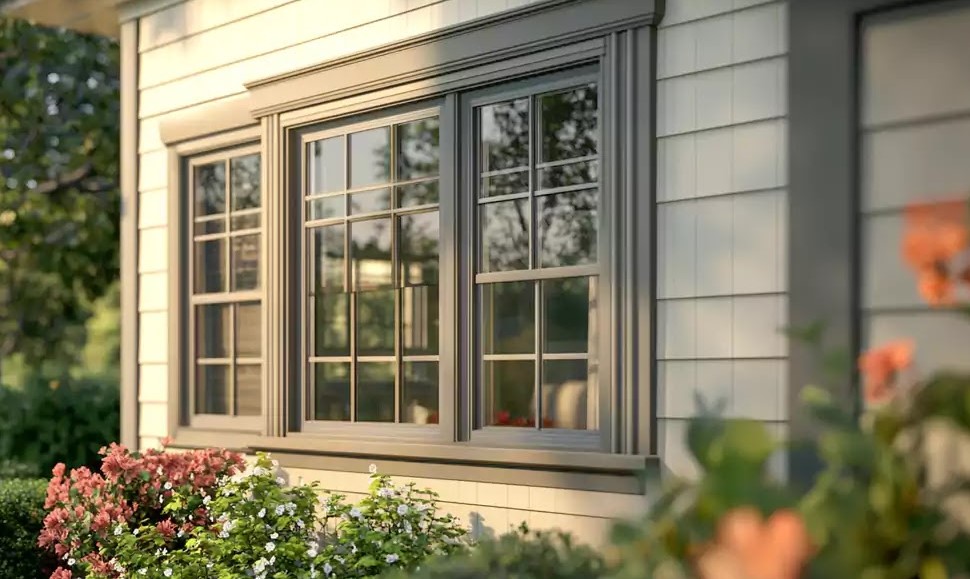
Modern window manufacturing has evolved far beyond a basic sheet of glass inside a wooden frame. Today’s high-efficiency window systems use sophisticated engineering to block thermal transfer while maximizing natural sunlight.
When evaluating replacement options for your home, look for these critical components:
- Multiple Glass Panes: Double or triple-pane units feature sealed spaces between glass sheets, creating insulating air barriers that slow down heat transfer significantly.
- Argon or Krypton Gas Fills: Manufacturers fill the space between glass panes with non-toxic, invisible gases like argon. Argon is denser than regular air, providing superior insulation against cold outdoor temperatures.
- Low-Emissivity (Low-E) Coatings: Low-E is a microscopic, ultra-thin metallic layer applied directly to the glass surface. It acts like an invisible thermal mirror, reflecting indoor heat back inside during winter months while blocking damaging UV rays year-round.
- Warm-Edge Insulated Spacers: High-tech composite spacers hold the glass panes at precise distances while preventing cold bridge conduction along the outer edges of the glass.
- Insulated Vinyl or Composite Frames: Frame materials matter just as much as the glass itself. Multi-chambered vinyl and composite frames trap air inside internal pockets, stopping cold air from seeping through the wall opening.
Selecting window products with low U-factor ratings guarantees top-tier cold weather performance. The U-factor measures how well a window prevents heat from escaping; the lower the number, the better the unit keeps your home warm and cozy.
How Does Window Replacement Fit Into Whole-Home Insulation?
Sealing Your Building Envelope from Top to Bottom
Installing high-performance windows is a massive step forward, but windows represent only one part of your home’s protective shell. Building science experts refer to your roof, walls, doors, and windows as the building envelope. If one component suffers from air leaks or poor insulation, the rest of the structure has to work harder to compensate.
Think of your home like a winter parka. Installing energy-efficient windows is like zipping up the front of the jacket, but if the hood has holes or the seams are torn, cold air still gets in. Warm air naturally rises toward your ceiling through a phenomenon called the stack effect. If your attic lacks adequate insulation or your roof structure suffers from hidden gaps, that escaping heat pulls cold air inside through lower windows and doors.
When planning fall home improvements, combining window upgrades with roof and attic assessments provides maximum energy savings. Working with experienced professionals who understand complete exterior systems ensures your home stays tight, dry, and efficient. Check out our comprehensive range of exterior solutions on our services page to see how targeted upgrades protect your home from top to bottom.
Real Questions Homeowners Ask About Energy-Efficient Windows
Is fall a good time of year to replace windows?
Fall is actually one of the best times for window replacement. Autumn weather brings mild temperatures and manageable humidity levels, allowing professional installation crews to work efficiently and apply sealants that cure perfectly. Completing your window project in the fall ensures your home is fully sealed and insulated before severe winter cold arrives.
How long does it take for new energy-efficient windows to pay for themselves?
Most homeowners recoup their initial investment through a combination of monthly energy bill savings, increased home resale value, and tax credits. While the direct payback timeline through utility savings typically ranges from 7 to 12 years, the improved comfort, noise reduction, and reduced HVAC maintenance deliver value starting on day one.
Can replacing windows help prevent interior glass condensation?
Yes, high-efficiency double and triple-pane windows significantly reduce interior condensation. Condensation occurs when warm, humid room air touches a freezing cold glass surface. Because energy-efficient windows keep the interior glass pane much closer to your room’s air temperature, moisture is far less likely to condense and drip onto your wooden sills.
What is the difference between U-factor and SHGC?
The U-factor measures how well a window keeps heat from escaping your home, making it the most important metric for winter heating performance. Solar Heat Gain Coefficient (SHGC) measures how much solar heat enters your home through the glass, which is critical for summer cooling performance. In northern climates, you want a low U-factor paired with a balanced SHGC.
Secure Your Home and Lower Your Heating Bills Today
Drafty windows and soaring utility costs do not have to be part of your fall routine. By upgrading to modern, high-performance window units, you eliminate uncomfortable cold spots, protect your HVAC system, and keep your indoor living spaces warm all season long. Combining high-efficiency windows with a solid, well-insulated roof structure gives your property the ultimate defense against Northwest fall weather.
Taking care of your home requires a dependable local partner who delivers honest advice and quality workmanship. Learn more about our commitment to quality service by visiting our about us page, where we share our passion for protecting local properties.
Ready to make your home warmer, quieter, and more efficient this fall? Contact the team at Buena Vista Roofing in Vancouver for expert services and a personalized home evaluation. Visit our contact us page today to schedule your consultation and get your home ready for winter.