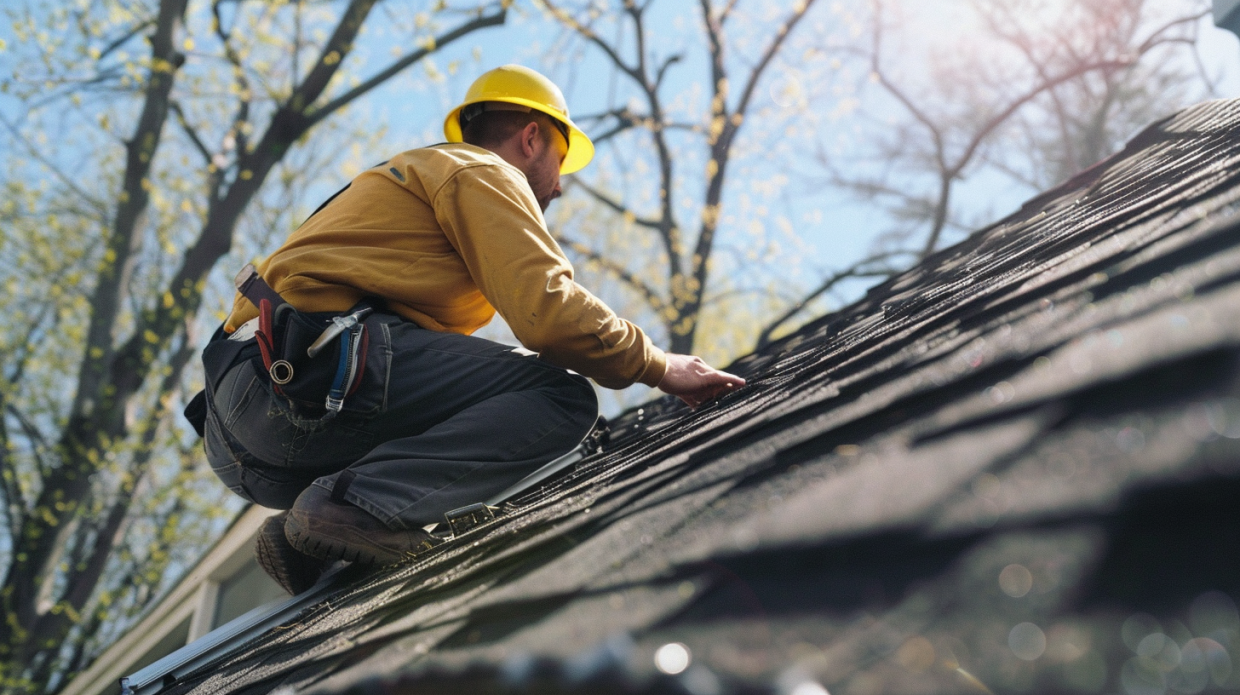
If your Vancouver roof is past 20 years old, shedding granules into the gutters, or letting daylight into the attic, you almost certainly need a roof replacement in Vancouver, WA before the winter rains settle in. The dry window that makes roof work straightforward closes quickly once the Pacific Northwest wet season arrives, so late fall is the moment to make the call rather than gamble on a tired roof holding through another stormy winter.
At Buena Vista Roofing, we have spent 25 years watching how Clark County weather treats local roofs, and the pattern is consistent: the homes that replace early sail through winter, while the ones that wait end up calling for emergency tarps in January. This guide walks through the real warning signs, how our climate shortens a roof’s life, how to tell a simple repair from a full replacement, and what the replacement process looks like when you schedule it before the first big storm.
Key Takeaways
- A roof replacement in Vancouver, WA is easiest to schedule and finish during the dry stretch before heavy rain returns in late October and November.
- The clearest warning signs are curling or missing shingles, granules collecting in the gutters, interior water stains, a sagging roofline, and any roof older than 20 years.
- The region’s roughly 40 inches of annual rainfall, most of it falling between October and May, ages local roofs faster than roofs in drier parts of the country.
- The City of Vancouver requires a building permit for a full re-roof, so a licensed local roofing company keeps the project compliant and on schedule.
Why Does Vancouver’s Rainy Season Make Roof Replacement Timing So Important?
Timing matters because roofing materials and adhesives need dry, moderate conditions to seal correctly, and that window shrinks fast here every fall. The Vancouver and Portland metro sits under one of the wettest climates in the country. The National Weather Service Portland office tracks the bulk of the region’s roughly 40 inches of yearly rainfall landing between October and May, which leaves only a narrow dry season for major exterior work.
A roof installed during a dry fall day cures and seals the way the manufacturer intended. The same roof installed between winter downpours risks trapped moisture, poor adhesion, and a slower, more disruptive project. Scheduling a roof replacement in Vancouver, WA before the steady rain arrives protects both the quality of the install and your household routine.
There is also a simpler reason to act early. A failing roof is a problem you can manage on a sunny October afternoon, but it becomes an emergency the first weekend a storm drives water into your living room. Replacing ahead of the season turns a stressful repair into a planned project.
What Are the Warning Signs You Need a Roof Replacement?
The strongest signal is a combination of age and visible wear showing up together. One cracked shingle rarely means the whole roof is done, but several of the following at once usually does. Walk your property this month and look for these red flags:
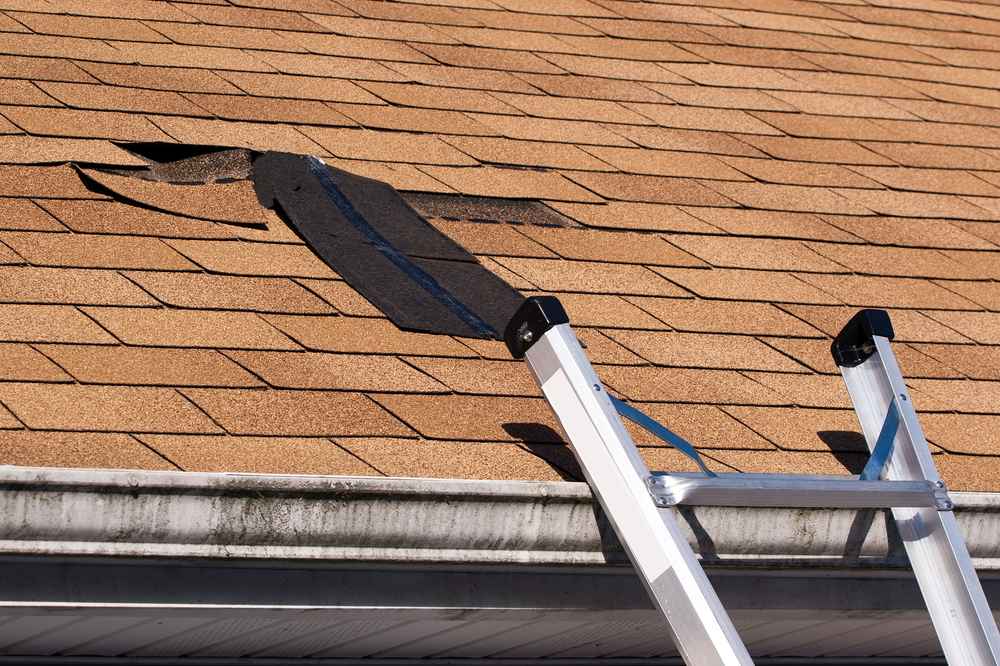
- Curling, cupping, or missing shingles. Edges that lift or corners that cup let wind-driven rain underneath, and once shingles start blowing off, the roof is near the end of its service life.
- Granules in the gutters. Asphalt shingles shed their protective granules as they age. If you see piles of sandy grit collecting when you clean the gutters, the shingles are wearing thin.
- Interior water stains or active drips. Brown rings on a ceiling, damp attic insulation, or musty odors point to a roof that is already leaking, even if you have never seen water fall.
- A sagging or uneven roofline. Dips or waves across the surface can mean the decking underneath has absorbed moisture and started to rot, which is a structural issue a patch will not fix.
- Daylight through the attic boards. If you can see light coming through the roof deck, water is getting through too.
- Persistent moss and dark streaking. Our damp, shaded climate grows moss that holds water against the shingles and accelerates decay, a problem SW Washington homeowners know well.
Seeing two or three of these together is a strong reason to book a professional roof inspection before the weather turns.
How Old Is Too Old for a Roof in the Pacific Northwest?
Most asphalt shingle roofs in our area last about 15 to 25 years, and constant moisture, moss, and freeze-thaw cycles tend to push local roofs toward the shorter end of that range. A roof that would comfortably reach 25 years in Arizona often needs attention sooner here, because it never truly dries out during the wet months.
If your home still wears its original builder-grade roof and it is approaching the two-decade mark, start planning now even if it looks acceptable from the ground. Age alone is a legitimate reason to replace, since the materials degrade from the inside out long before the surface shows dramatic damage.
Homeowners replacing an aging roof often use the opportunity to upgrade. Premium architectural shingles carry longer warranties, and a standing seam metal roofing system can last 40 years or more while shedding our relentless rain beautifully. We walk every client through the tradeoffs so the new roof fits both the house and the budget.
Is It a Repair or a Full Replacement?
A targeted fix makes sense when the roof is young, the damage is isolated, and the decking underneath is sound. A missing shingle after a windstorm or flashing that pulled loose around a vent is usually a straightforward roof repair, and there is no reason to replace a roof that has years of life left.
Replacement becomes the smarter investment when the damage is widespread, the roof is past 20 years, or you are paying for the same repair season after season. Pouring money into patches on a roof that is fundamentally worn out simply delays the inevitable while the problems compound.
The honest way to settle the question is a thorough inspection. A reputable roofer should show you photos of what they find and explain why they recommend one path over the other, so you can make the decision with real evidence in front of you rather than a guess.
What Does the Roof Replacement Process Look Like Before Winter?
A well-run replacement is predictable, and knowing the steps makes the project far less stressful. Here is how a typical residential roof replacement comes together when you schedule it ahead of the rainy season:
- Inspection and estimate. We assess the roof, document the condition, and provide a clear written quote with material options.
- Permitting. A full re-roof in Vancouver requires a building permit through the City of Vancouver permit office, and we handle that paperwork so the job stays compliant.
- Tear-off and deck inspection. The old roof comes off and we check the decking for hidden rot, replacing any compromised boards before new material goes down.
- Installation. We install underlayment, flashing, and your chosen roofing system to manufacturer specification, which protects your warranty.
- Cleanup and final walkthrough. We clear every nail and scrap, then review the finished roof with you so you know exactly what was done.
Booking this sequence in the fall means your new roof is sealed and tested well before the heaviest storms, giving you one less thing to worry about all winter. Clean, properly pitched gutters finish the job, which is why many homeowners pair a re-roof with fresh gutter installation and repair to move all that PNW rainwater safely away from the foundation.
How Do You Choose a Roof Replacement Company in Vancouver, WA?
Choose a roof replacement company that is licensed, bonded, and insured in your state, and that backs its work with a real warranty. Buena Vista Roofing is licensed, bonded, and insured in both Washington and Oregon, so homeowners on either side of the Columbia get the same accountable service.
Certifications matter too, because they prove a crew is trained to install specific systems correctly. We are a Malarkey Certified Residential Contractor and a CertainTeed Select ShingleMaster, which are credentials manufacturers only grant to roofers who meet strict installation standards. That training is what keeps your warranty valid.
Finally, hire local. A company that works across Clark County every week understands our moss, our rain, and our permit process in a way an out-of-town crew cannot. We serve homeowners throughout the metro, from right here in Vancouver out to neighbors in Camas, WA, Battle Ground, WA, and Ridgefield, WA, so help is never far away when the weather turns.
Roof Replacement in Vancouver, WA: Frequently Asked Questions
Can you replace a roof during the rainy season in Vancouver?
Yes, experienced local crews replace roofs year-round by working around the forecast and protecting the exposed deck, but it is slower and more weather-dependent. Scheduling your roof replacement in Vancouver, WA during the drier fall window is always smoother, which is why we encourage homeowners to plan ahead rather than wait for a leak.
How long does a roof replacement take?
A typical residential roof replacement takes one to three days, depending on the size of the home, the roof’s complexity, and how much decking needs repair once the old material is removed. We give you a realistic timeline in the written estimate before any work begins.
Will my homeowners insurance pay for a new roof?
Insurance usually covers sudden storm or wind damage but not wear from normal aging. If a recent storm damaged your roof, document it and request a professional inspection quickly, since many policies have deadlines for filing a claim after the event.
Is metal roofing worth it in the Pacific Northwest?
For many homeowners, yes. Metal roofing resists moss, sheds heavy rain well, and can last 40 years or more, which suits our wet climate. It costs more upfront than asphalt, so we help you weigh the longer lifespan against the budget before you decide.
How much does a roof replacement cost in the Vancouver area?
Cost depends on the roof size, pitch, chosen material, and the condition of the decking underneath. Rather than quote a misleading flat number, we provide a detailed written estimate after a free inspection so you see exactly what your specific home needs.
Do not wait for a winter downpour to reveal a problem you could have handled on a dry fall afternoon. Schedule your free roof inspection with Buena Vista Roofing today and get your Vancouver home ready before the rains set in.