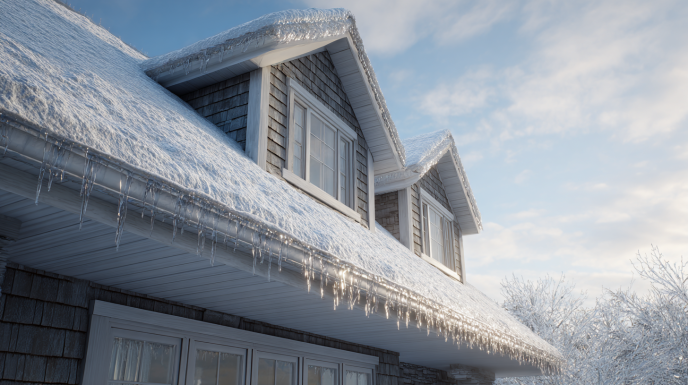
Winter on the Western Slope brings snow-packed mornings, bright sun, and then refreezing overnight. That cycle is exactly how ice dams form, and why many homeowners start asking about roof snow melt systems once leaks or icicles show up.
If you’ve dealt with water stains, frozen gutters, or emergency roof repair calls during winter, you’re not alone. Roof snow melting systems are designed to prevent those problems, but they come with upfront costs that deserve a clear explanation.
At Bros Roofing, we help homeowners decide whether a roof snow melting system makes sense for their home, or if roof repair or roof replacement is the smarter long-term solution.
Key Takeaways
- Roof snow melt systems help prevent ice dams, leaks, and gutter damage during winter.
- Cost depends on system type, roof layout, and how much coverage you need.
- For some homes, targeted repairs or ventilation upgrades may be more cost-effective than a full system.
If you’re unsure which option fits your home, Bros Roofing is here to help you protect your home through every season.
How Roof Snow Melt Systems Actually Work
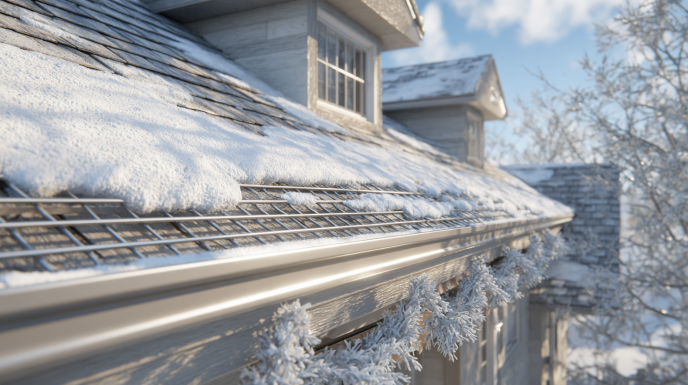
Roof snow melt systems use heated cables, mats, or panels installed along roof edges, valleys, and sometimes inside gutters. These heated areas create controlled melt paths so snow and ice can drain safely instead of backing up under shingles.
Ice dams form when heat escapes from the attic, melting snow higher on the roof. That water refreezes at colder eaves, trapping moisture. A roof snow melting system interrupts that cycle by keeping drainage paths open, even during freeze-thaw conditions common in Western Colorado.
These systems don’t heat your entire roof. Instead, they focus on high-risk areas where ice dams usually start. When installed correctly, they reduce the chance of winter leaks that often lead to emergency roof repair calls.
While roof snow melting systems are effective, they’re not a substitute for proper insulation, ventilation, or a healthy roof system. That’s why evaluating your roof’s condition is the first step.
What Affects the Cost of Roof Snow Melt Systems?
Not every home needs the same setup. The cost of roof snow melt systems depends on several practical factors.
System Type
Heating cables are the most common and affordable option, typically priced per linear foot. Heated mats or panels provide wider coverage but cost more. Fully integrated systems with sensors are the most advanced and the most expensive.
Roof Size and Design
Steep slopes, multiple valleys, or complex rooflines require more materials and labor.
Installation Needs
Professional installation matters. Improper placement can limit effectiveness and even damage shingles.
Energy Use
Operating costs vary, but most homeowners see modest monthly increases during winter use.
Gutters and Downspouts
Adding heat to gutters prevents ice blockages but increases overall cost.
Roof Snow Melt System Cost at a Glance
Heating Cables
These are the most common and budget-friendly options, typically costing $5–$15 per linear foot. Heating cables work well for targeted trouble spots like roof edges, short valleys, and areas where ice dams form regularly.
Heated Mats or Panels
Heated mats and panels provide broader coverage and are often installed in valleys and wide eaves. Costs usually range from $200–$500 per panel, depending on size and coverage area.
Integrated Roof Snow Melt Systems
Fully integrated roof snow melting systems are designed for large or complex roofs and often include sensors and self-regulating heat. These systems typically start around $2,000 or more, depending on layout and roof design.
Professional Installation
Regardless of the system type, professional installation is strongly recommended. Installation costs generally fall between $500–$2,000.
Monthly Energy Use
Operating a roof snow melt system during winter usually adds $50–$100 per month to energy costs, depending on system size, usage, and local electricity rates.
Are Roof Snow Melting Systems Worth It?
For some homes, yes, absolutely. For others, not always.
When roof snow melt systems make sense:
- Repeated ice dams despite good insulation
- Ongoing winter leaks near eaves
- Heavy snow loads combined with sun exposure
- High-risk areas above walkways or entries
When other solutions may work better:
- Poor attic insulation or ventilation
- Aging shingles near the end of life
- Structural roof issues needing roof repair or roof replacement
In many cases, improving ventilation or addressing roof damage first delivers better results than adding heat cables alone.
Roof Snow Melt Systems vs. Roof Repair or Roof Replacement
A roof snow melting system treats the symptom, ice buildup. But sometimes the cause is deeper.
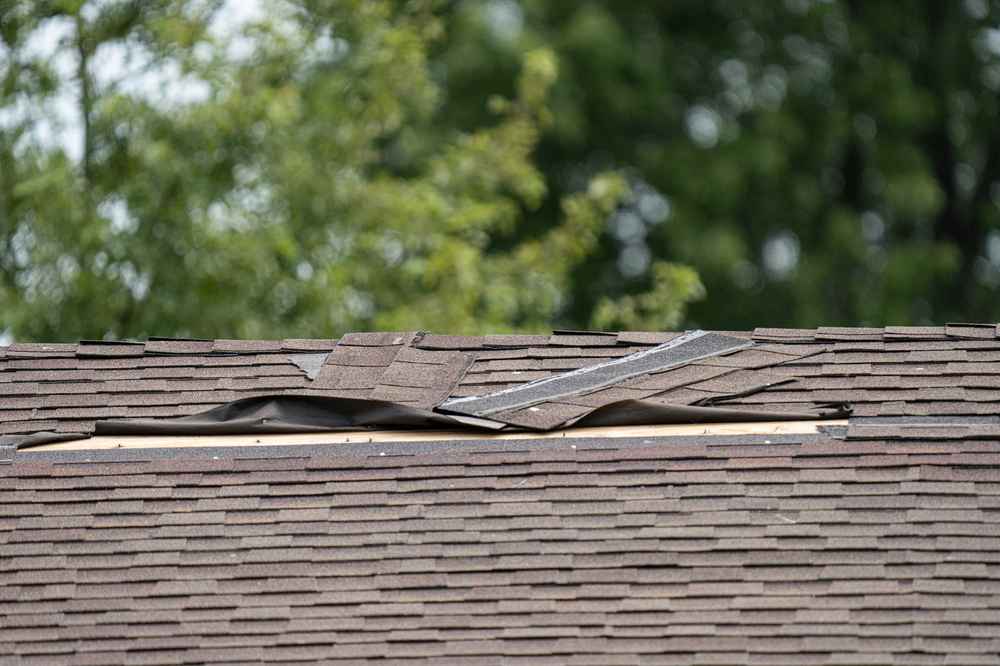
- Roof repair may be enough if leaks come from damaged flashing or worn shingles.
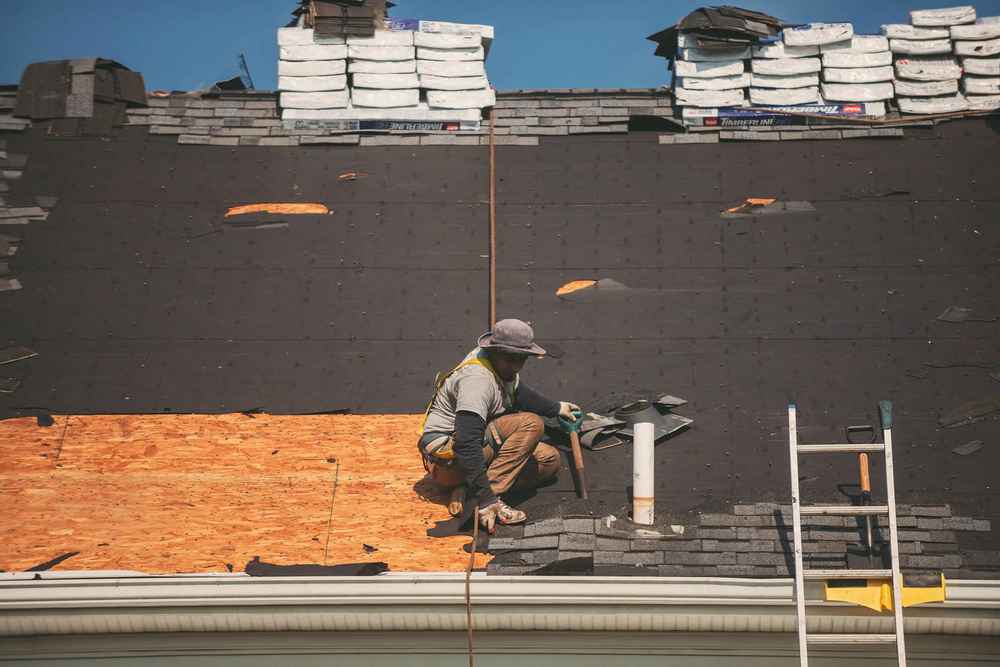
- Roof replacement may be the better investment if the roof is nearing the end of its lifespan and winter issues are ongoing.
Snow melt systems work best on structurally sound roofs with proper airflow. That’s why we always inspect the full roof system before recommending any winter solution.
Quick Check: Is a Roof Snow Melt System Right for You?
You may be a good candidate if:
- Ice dams form every winter
- Icicles hang from eaves or gutters
- Past winter leaks required emergency roof repair
- Your roof structure is sound, but the drainage freezes repeatedly
If not, we’ll walk you through safer, more cost-effective options.